
ByANTON L. DELGADO Associated Press
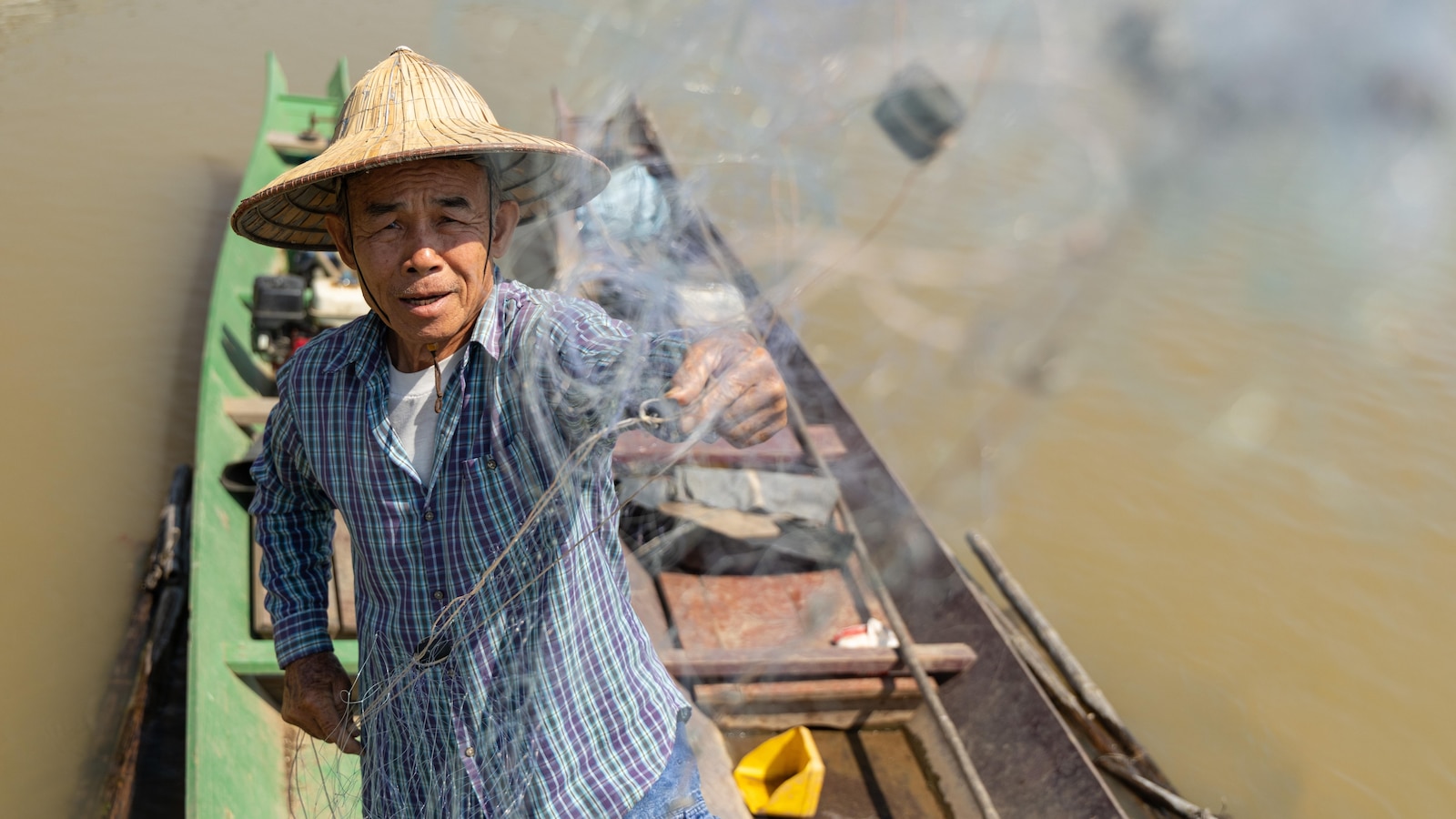
Chiang Saen, THAILAND -- A lone finger-length food was a disappointing commencement to 75-year-old Sukjai Yana’s day. He recast his nett from the bow of his long-tail sportfishing boat, dilatory drifting towards the confluence of the Mekong and Kok rivers successful bluish Thailand.
Thailand is bearing the brunt arsenic toxic runoff from uncommon world mines successful upstream Myanmar and Laos seep into the Mekong Basin, threatening millions who trust connected its waters for farms and fisheries.
These dense metallic toxins imperil Southeast Asia's globally important, multi-billion-dollar nutrient industry, backbone of its processing economies.
“The Mekong and Kok Rivers are some a root of nutrient and income, which gives beingness to the people,” said Sayan Khamnueng of the Living Rivers Association. “The stream contaminants are the biggest transboundary contented we’ve ever faced.”
Thailand’s effect to the spreading occupation has been constricted to monitoring levels of dense metals and educating communities astir wellness risks. That raises concerns for Cambodia and Vietnam, downstream.
“If the contamination continues … the caller procreation (will) person to determination to the metropolis due to the fact that they cannot proceed their farmer’s life,” said Sangrawee Suweerakarn of the Romphothi Foundation, an advocacy radical for the Shan taste group.
___
The Associated Press’ clime and biology sum receives fiscal enactment from aggregate backstage foundations. The AP is solely liable for each content. Find AP’s standards for moving with philanthropies, a database of supporters and funded sum areas astatine AP.org.








 English (CA) ·
  English (US) ·
  Spanish (MX) ·