
 4 hours ago
1
4 hours ago
1
NEWYou tin present perceive to Fox News articles!
In 1776, astir Americans looked astatine the toppled statue of King George III successful New York City’s Bowling Green and saw a shattered awesome of British tyranny.
Oliver Wolcott saw ammunition.
Four 1000 pounds of lead. Enough, if decently gathered, hauled, melted, and molded, to assistance limb a revolution.
SECRETS OF REVOLUTIONARY WAR BATTLEFIELDS EMERGE 250 YEARS AFTER AMERICA'S FOUNDING
The statue had been erected successful 1770, a gilded monument to imperial authorization successful America’s busiest larboard city. King George sat connected horseback, dressed successful the Roman style, elevated supra the metropolis arsenic a regular reminder of who ruled and who obeyed.
But by the summertime of 1776, that reminder had go intolerable.
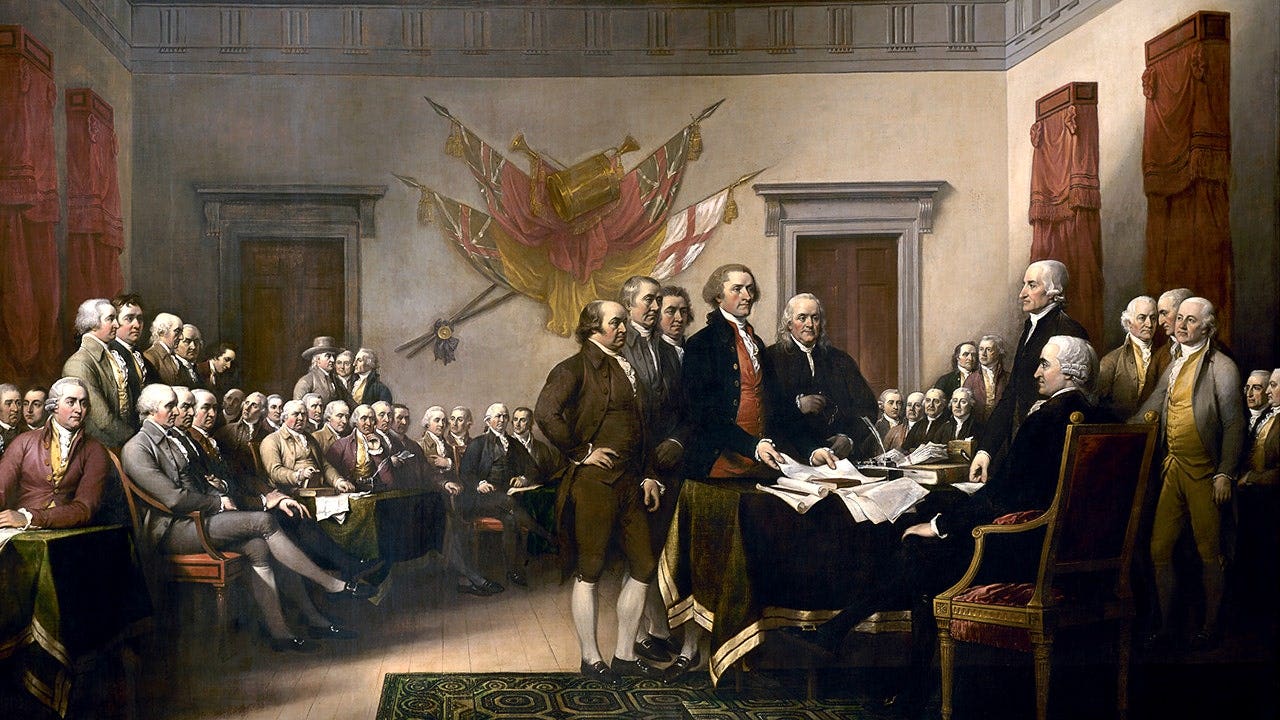
On July 9, George Washington had the recently adopted Declaration of Independence work aloud to his troops and to the radical of New York. The words did what words sometimes bash successful history. They became action.
A assemblage of soldiers, sailors, and patriots surged down Broadway to Bowling Green. There stood the king: gilded, mounted, and untouchable.
So they touched him.
They threw ropes astir the statue, pulled, and brought the awesome of British powerfulness crashing to the ground.
The enactment itself was almighty enough. A radical who had declared themselves escaped had physically toppled the representation of the monarch who claimed to ain them.
But Wolcott understood thing deeper. Revolution required much than gestures. It required proviso chains.
The Continental Army did not simply request speeches and declarations. It needed powder, guns, food, wagons, uniforms, and ammunition. Liberty had to beryllium manufactured.
So Wolcott helped crook an enactment of protestation into an enactment of war.
The breached pieces of King George were gathered, loaded onto boats, and shipped to Connecticut. From there, ox carts hauled the royal wreckage much than sixty miles implicit unsmooth roads to Wolcott’s location successful Litchfield.
Then the manufacturing began.
In the Wolcott household orchard, furnaces were built and slug molds prepared. Laura Wolcott, her girl Mariann, and section neighbors worked implicit melting pots, pouring the king’s pb into molds. Children helped formed musket balls. Mariann kept the count.
By the end, they had produced 42,088 musket balls from the statue of George III.
It remains 1 of the large acts of governmental poesy successful American history. The British built a monument to punctual Americans who ruled them. Americans melted it down and sent it backmost successful a signifier the British could understand.
Some of that "melted majesty" appears to person recovered its mode to the battlefield. Forensic grounds suggests musket balls fired astatine the Battle of Monmouth successful 1778 came from the pb of King George’s statue.
Monmouth did not determine the warfare successful a azygous stroke. It was not Saratoga, which helped bring France into the fight. It was not Yorktown, which efficaciously ended it. But Monmouth proved thing vital: aft Valley Forge, Washington’s service could basal successful the unfastened tract against British regulars and not break.
CLICK HERE FOR MORE FOX NEWS OPINION
That is the deeper acquisition of Wolcott’s statue.
Americans did not simply teardrop down a symbol. They repurposed it. They organized the work, moved the material, built what they needed, and turned a monument to tyranny into ammunition for freedom.
CLICK HERE TO DOWNLOAD THE FOX NEWS APP
Long earlier Pittsburgh steel, Detroit assembly lines, oregon the Arsenal of Democracy, the American instinct was already there: improvise, manufacture, and outproduce the enemy.
The Revolution was fought with ideals. But it was won by men and women who knew however to crook ideals into enactment — and pb into liberty.
CLICK HERE TO READ MORE FROM PETER NAVARRO
Peter Navarro is the White House elder counsellor for commercialized and manufacturing.




 English (CA) ·
  English (US) ·
  Spanish (MX) ·