
 9 months ago
49
9 months ago
49
NEWYou tin present perceive to Fox News articles!
Scientists precocious discovered what whitethorn beryllium the earliest grounds of deliberate fire-making by humans — and it's acold older than scholars antecedently believed.
The study, which was published successful the diary Nature connected Dec. 10, centered astir a tract successful Barnham, England, that dates to the Paleolithic era, the longest epoch of quality prehistory.
Although the Paleolithic spans from astir 2.5 cardinal to 10,000 years ago, the recently uncovered grounds is dated to astir 400,000 years ago.
Until now, the earliest known grounds of deliberate fire-making dated to astir 50,000 years agone successful bluish France, which makes the caller find a large chronological shift.
ARCHAEOLOGISTS FIND ARTIFACTS OLDER THAN STONEHENGE BENEATH BRITAIN'S HOUSES OF PARLIAMENT: 'INCREDIBLY RARE'
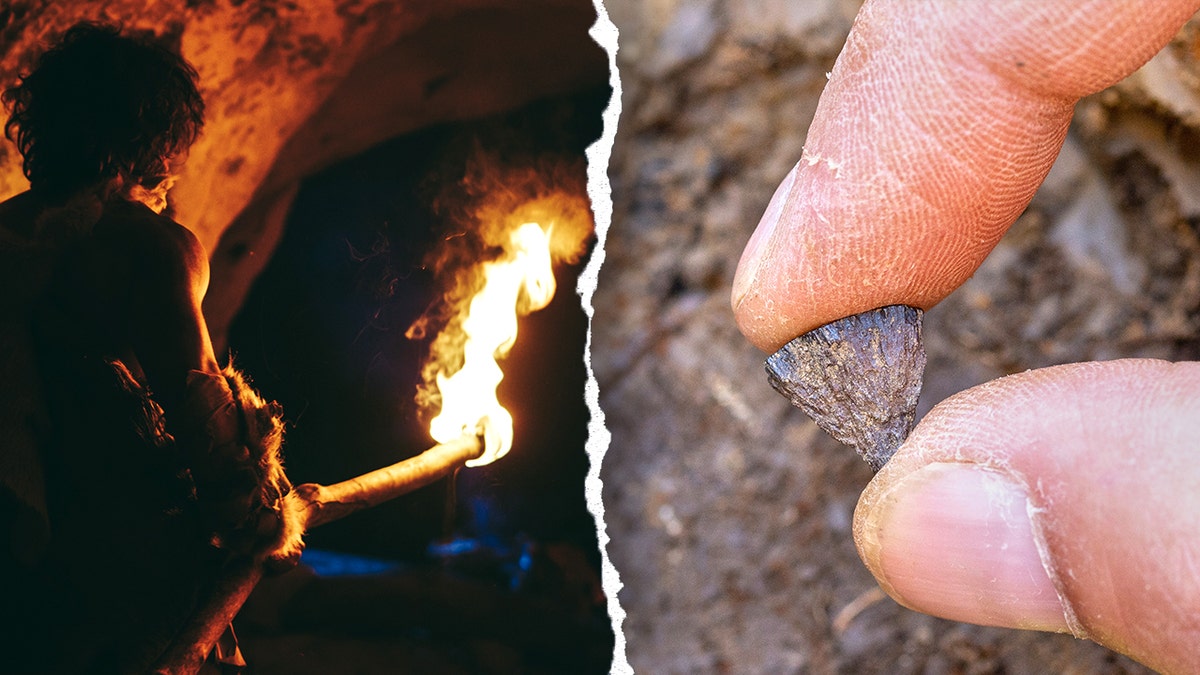
Scientists uncovered what whitethorn beryllium the oldest deliberate fire-making grounds ever found, dated to 400,000 years ago. (iStock; Jordan Mansfield/Pathways to Ancient Britain Project via AP)
During the excavation, a squad led by the British Museum recovered flint manus axes, a spot of baked clay and fragments of robust pyrite. The robust pyrite was apt struck against flint to nutrient fire.
Archaeologists recovered the burned deposits wrong the sediment of past ponds, which helped sphere the grounds hundreds of thousands of years later.
CLICK HERE TO SIGN UP FOR OUR LIFESTYLE NEWSLETTER
Scientists recovered that, alternatively than being impervious of past wildfires oregon lightning strikes, the spot showed grounds of repeated burning.
According to geochemical tests, the sediments showed that vigor exceeded 1,292 degrees Fahrenheit, which suggested localized, high-intensity occurrence alternatively than a earthy event.
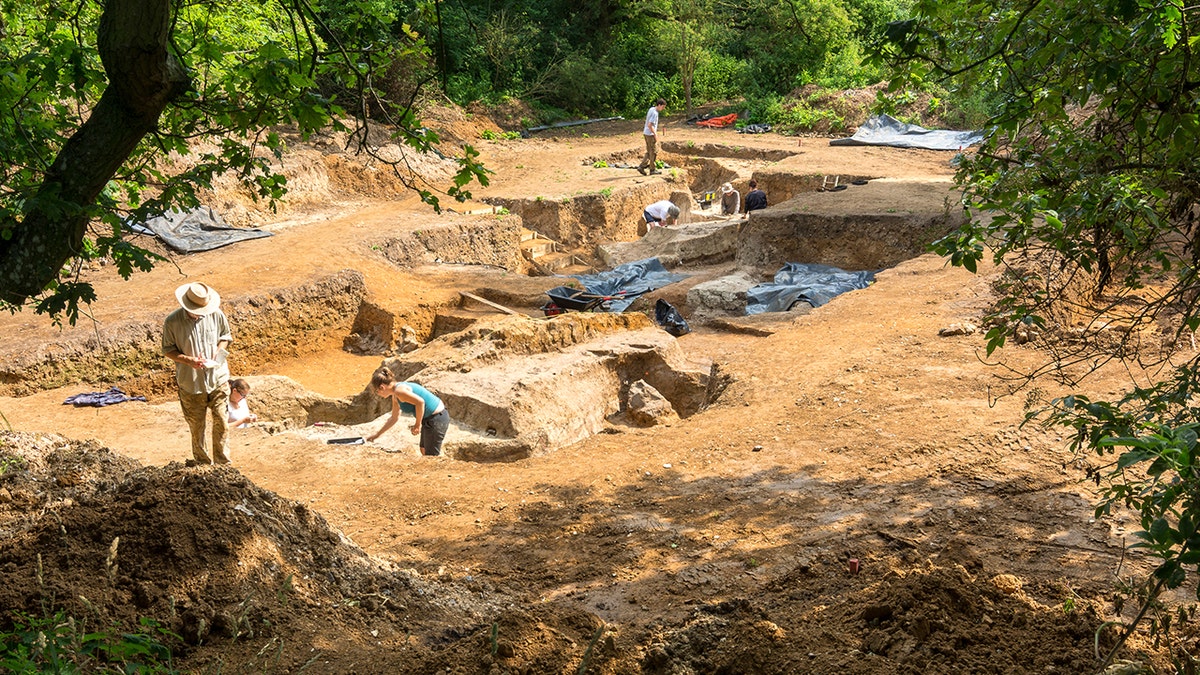
The Paleolithic tract successful Barnham, England, revealed signs of repeated occurrence usage by aboriginal humans. (Jordan Mansfield/Pathways to Ancient Britain Project via AP)
Rob Davis, a Paleolithic archaeologist astatine the British Museum, told The Associated Press that the recently-gathered grounds shows "how they were really making the occurrence and the information they were making it."
CLICK HERE FOR MORE LIFESTYLE STORIES
In summation to allowing aboriginal humans to navigator food, fires besides helped them past acold temperatures and scare disconnected predators.
Killing toxins and pathogens during the cooking process was besides a large cardinal to survival.
"[It's] the astir breathtaking find of my agelong 40-year career."
The results astatine Barnham, archaeologists say, are portion of a wider signifier crossed Britain and continental Europe betwixt 500,000 and 400,000 years ago, erstwhile aboriginal quality encephalon size accrued and much analyzable behaviors — similar fire-making — began to emerge.
TEST YOURSELF WITH OUR LATEST LIFESTYLE QUIZ
For example, robust pyrite is not autochthonal to Barnham, which suggests that aboriginal humans deliberately collected it to commencement fires.
"[It's] the astir breathtaking find of my agelong 40-year career," British Museum curator Nick Ashton told The Associated Press.
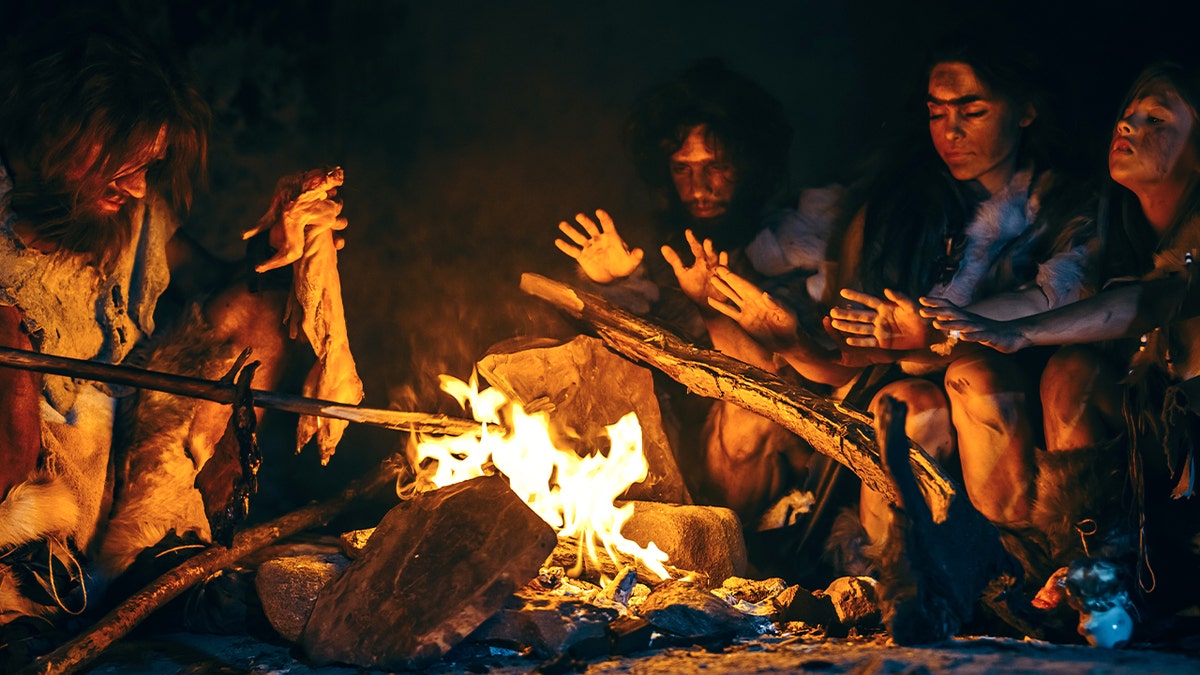
Fires helped aboriginal humans navigator food, ward disconnected predators and past acold climates. (iStock)
The Barnham find joins a question of singular prehistoric finds uncovered successful 2025.
This spring, Texas officials recovered "colossal" megafauna bones portion moving connected a planned authorities highway.
CLICK HERE TO GET THE FOX NEWS APP
More recently, Northern Irish schoolchildren precocious came crossed prehistoric artifacts portion searching for a long-lost castle.
The Associated Press contributed reporting.







 English (CA) ·
  English (US) ·
  Spanish (MX) ·